



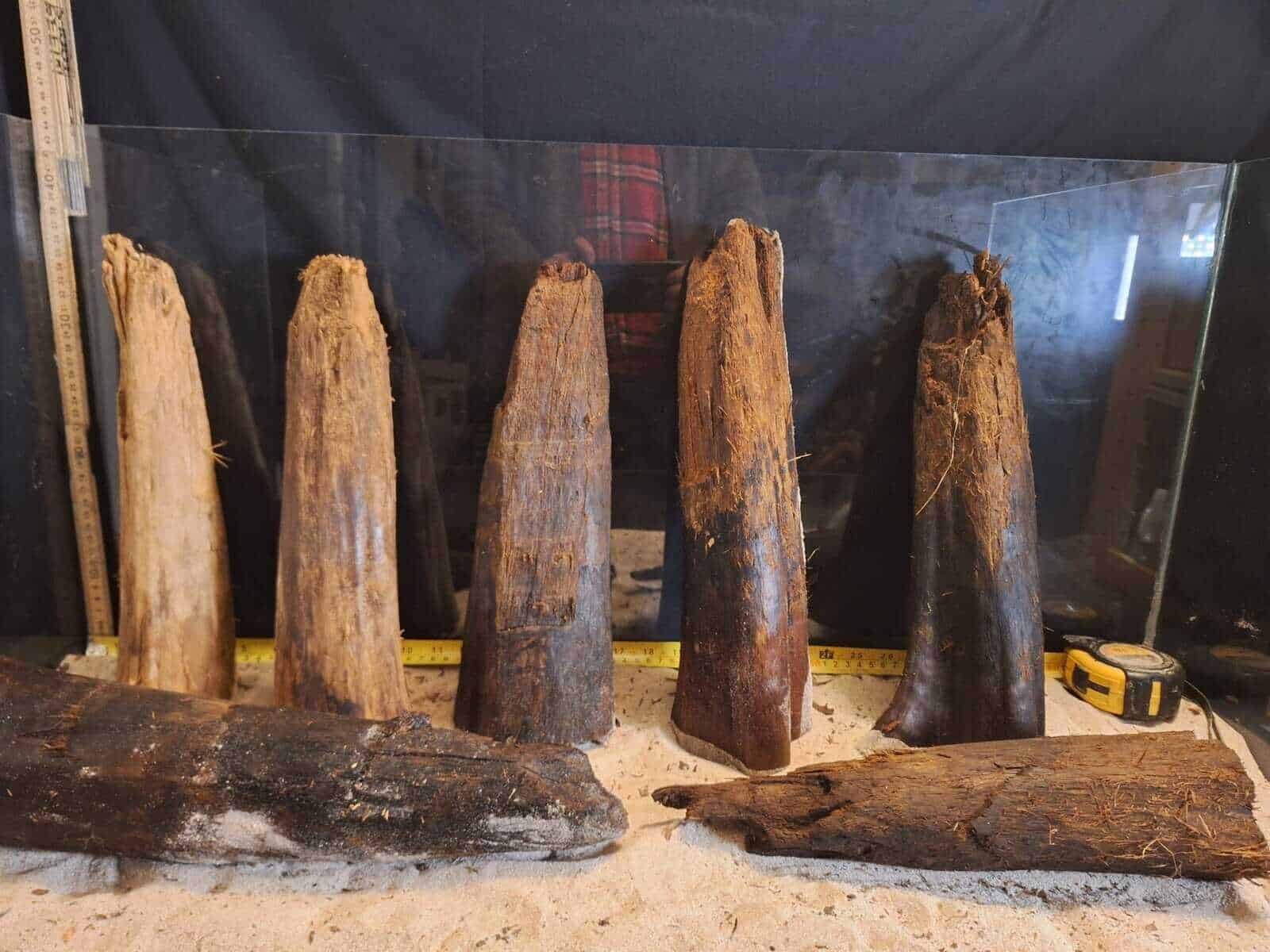
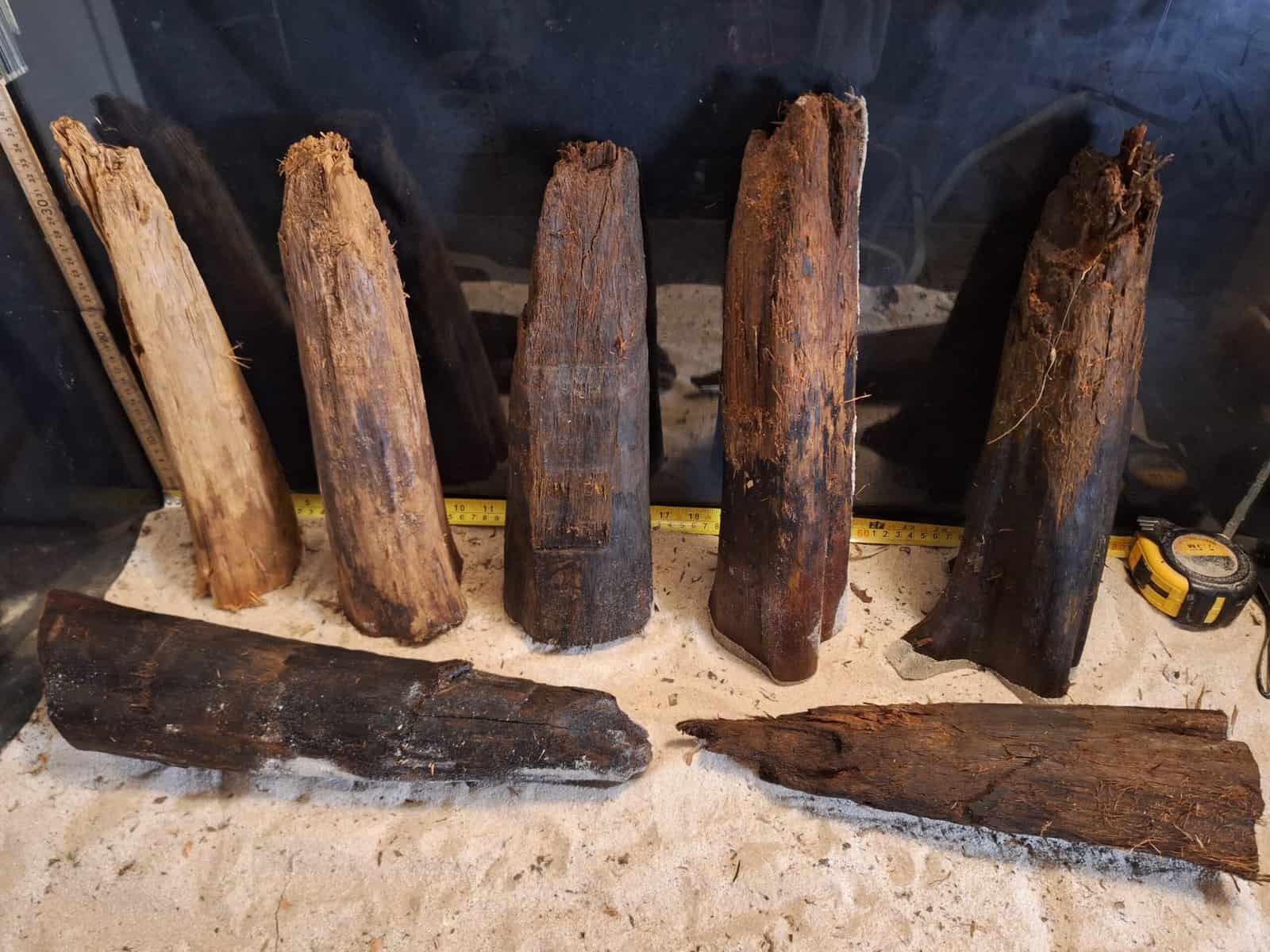
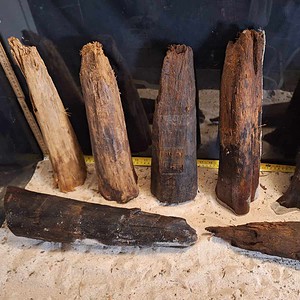
A unique piece Scandinavian bogwood, naturally preserved in peat over hundreds to thousands of years. This is a real eye-catcher and works perfectly as aquarium root in aquascape, whether you're creating a nature-inspired ADA layout or a South American biotope.
Aquascaping tips for Ancient Tree Stump
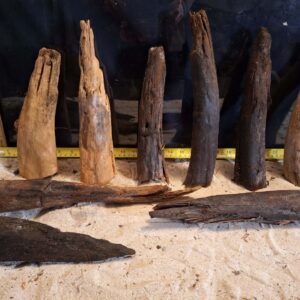
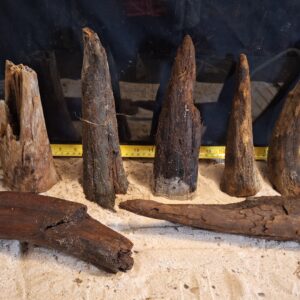
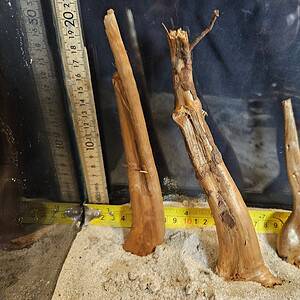
This particular shape may look simple and unremarkable, but several together, either lying on top of each other like fallen tree trunks, or standing like ancient tree trunks, or an illusion of mangrove roots sticking up through the sand, are all very striking aquascapes that are sure to raise many eyebrows. The straight shapes are great for offsetting the impression of messier plants, or keep it simple, like a rock-hard hardscape, with Ancient Tree Stump in various sizes and black gravel, low plants and moss, to give the impression of a forest affected by wildfire where the green is just starting to take hold. Yes, the possibilities with Ancient Tree Stump are many and can be very effective.
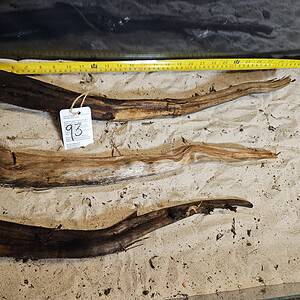
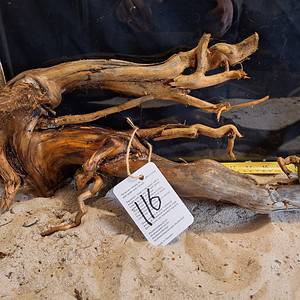
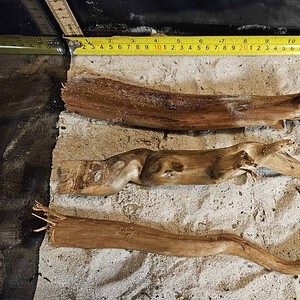
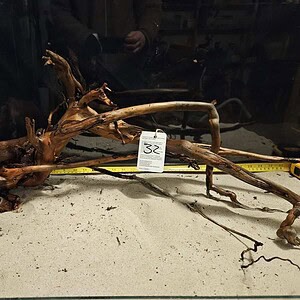
The product you are buying is EN root similar to those in the picture, it is NOT exactly those in the photo.
Dimensions
Length: 30-40 cm
Diameter at widest point: 8-14 cm
The pictures are taken in an aquarium with ADA p90 standard dimensions, 90x45x45cm.
Advantages of Tuskwood
-
Genuine mineralized bogwood / moss wood
-
Long life span
-
Non-toxic and safe for fish and shrimp
-
No biofilm or slime
-
Extra good for soft water, also works well with hard water.
-
Naturally dark color tones (becomes evenly dark brown under water)
-
Each copy is unique
Unlike regular spiderwood, manzanita, magnrove or Malaysian driftwood, Tuskwood comes from Europe and has formed naturally in Nordic peatlands. The mineralization makes the wood durable, and naturally produces dark brown color and shapes reminiscent of roots from old riverbank or flooded forest. All tuskwood roots turn a uniform dark brown color after a few weeks under water, although they vary in color when dry.
Tuskwood is slowly slipping away natural tannins that support aquatic environments similar to the Amazon. Particularly good for species such as discus, scalers, apistogramma, neon and cardinal tetra, L-Malar. Also beneficial for most Southeast Asian species, such as the botia, coolie, gurami, fighting fish and amano shrimp.
✔ stable and mild tannin release
✔ positive for the well-being of fish
✔ promotes natural behavior
With few water changes, the roots contribute to the establishment of a natural blackwater environment, and with regular water changes, the effect on water color is minor, often not noticeable.
Much of the wood sold for aquascaping comes from tropical forests in Asia and is shipped halfway around the world. Tuskwood is a Nordic natural material, collected locally as a by-product of other natural uses, making it a more sustainable choice with no tropical deforestation, no toxic fumigation during import, minimal transportation, and promotion of local economy and jobs.
Perfect for:
-
plant aquarium
-
ADA-style nature aquarium
-
biotopes
-
blackwater
-
show aquarium
- aquascaping
Preparation of the root before use
Before placing the Tuskwood in the aquarium, we recommend rinsing and brushing the root with water and a brush (e.g. a dish brush) to remove loose organic matter from the peat moss.
Tuskwood is naturally liquid when it is completely dry and needs to absorb water before it sinks by itself. There are two common methods:
1 Water lowering
Place the root in a bucket or tub filled with water. Place a stone on top to keep it below the surface.
Normally it takes 1-2 weeks before the root is fully saturated and sinks on its own. You can also place the root in the aquarium with a stone or other weight. Some people use a small laundry bag filled with aquarium gravel as a weight.
2 Installation in a dry aquarium (aquascaping method)
If you are building your layout in a dry aquarium, you can attach the root directly to rocks or to the glass with aquarium silicone or superglue (cyanoacrylate). This will ensure that it remains stable even when the water is added later.
About boiling roots
It is not necessary to boil Tuskwood for it to be safe for fish, but it can speed up water absorption, reduce buoyancy more quickly and remove some tannins.
If you want to keep as much natural tannins as possible, we recommend not boil the root, or just boil for short periods.
Summary of preparations
✔ Rinse & brush the root
✔ Allow to water saturate or glue to dry layout
✔ Boiling is optional (speeds up the sinking process)
Reviews
There are no reviews yet.