

Det finns rötter som bara är dekoration.
Och så finns det rötter som bär på en historia.
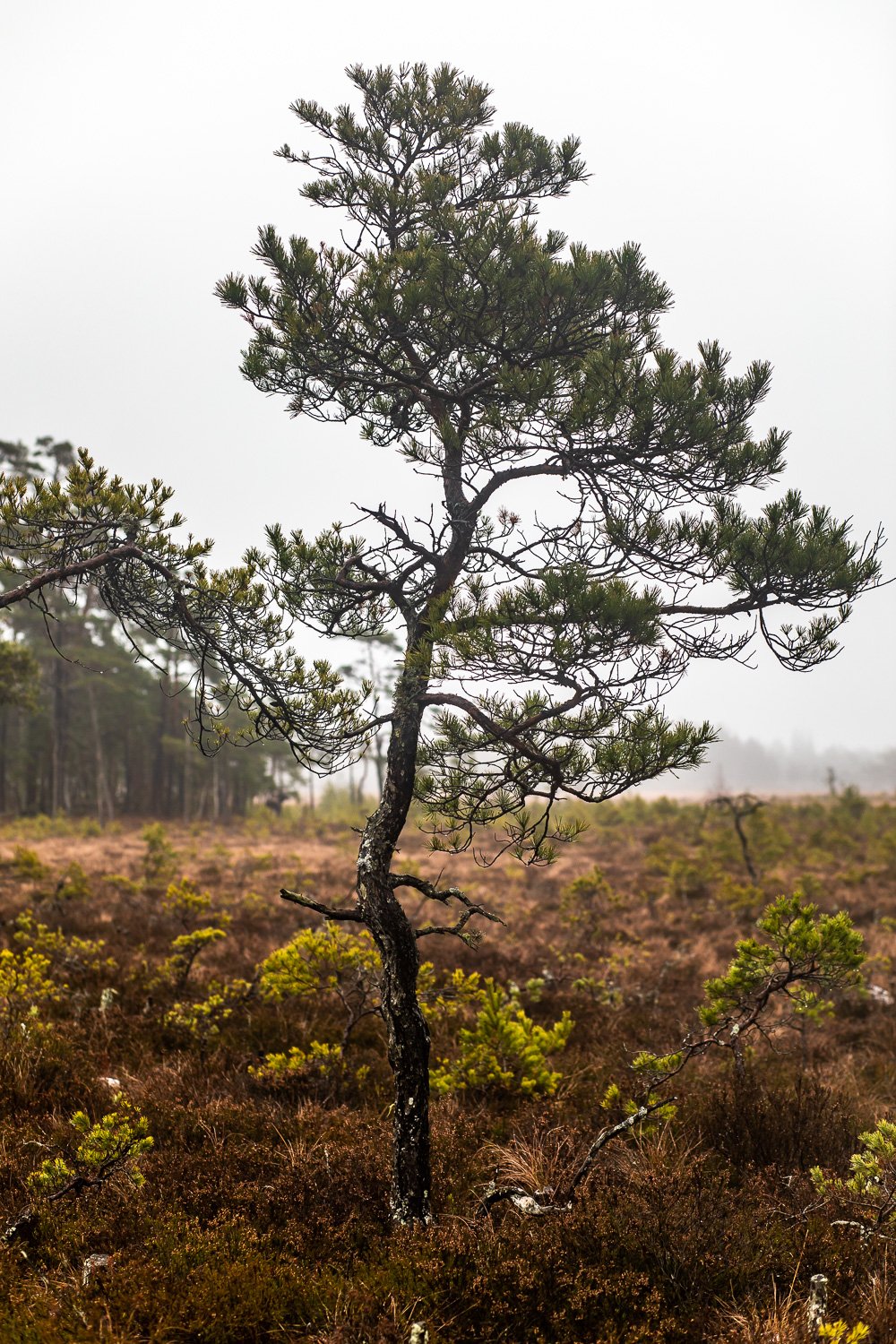
Tuskwood är äkta myrträ från nordliga torvmossar. Träet kommer från träd och buskar som en gång kämpade för att överleva i en hård, näringsfattig och vattenmättad miljö. Där växer inget snabbt. Allt går långsamt. År efter år. Lager efter lager. Vind, väta, kyla, mörker.
Till slut gav trädet upp. Den del av trädet som var ovanför vitmosson bröts ner, formultnade, den del som var under mossans täcke, sjönk ner i mossen.
Men det försvann aldrig.
I den syrefattiga myren bevarades träet istället under hundratals till tusentals år. Humussyror, mineraler och tid förändrade det långsamt. Det som en gång var ett levande träd blev något annat: mörkare, tätare, mognare, mer motståndskraftigt. Inte färskt trä. Inte vanlig ved. Utan ett naturmaterial med en helt egen karaktär.
Det är det som är Tuskwood.
Varje rot är unik – och uråldrig
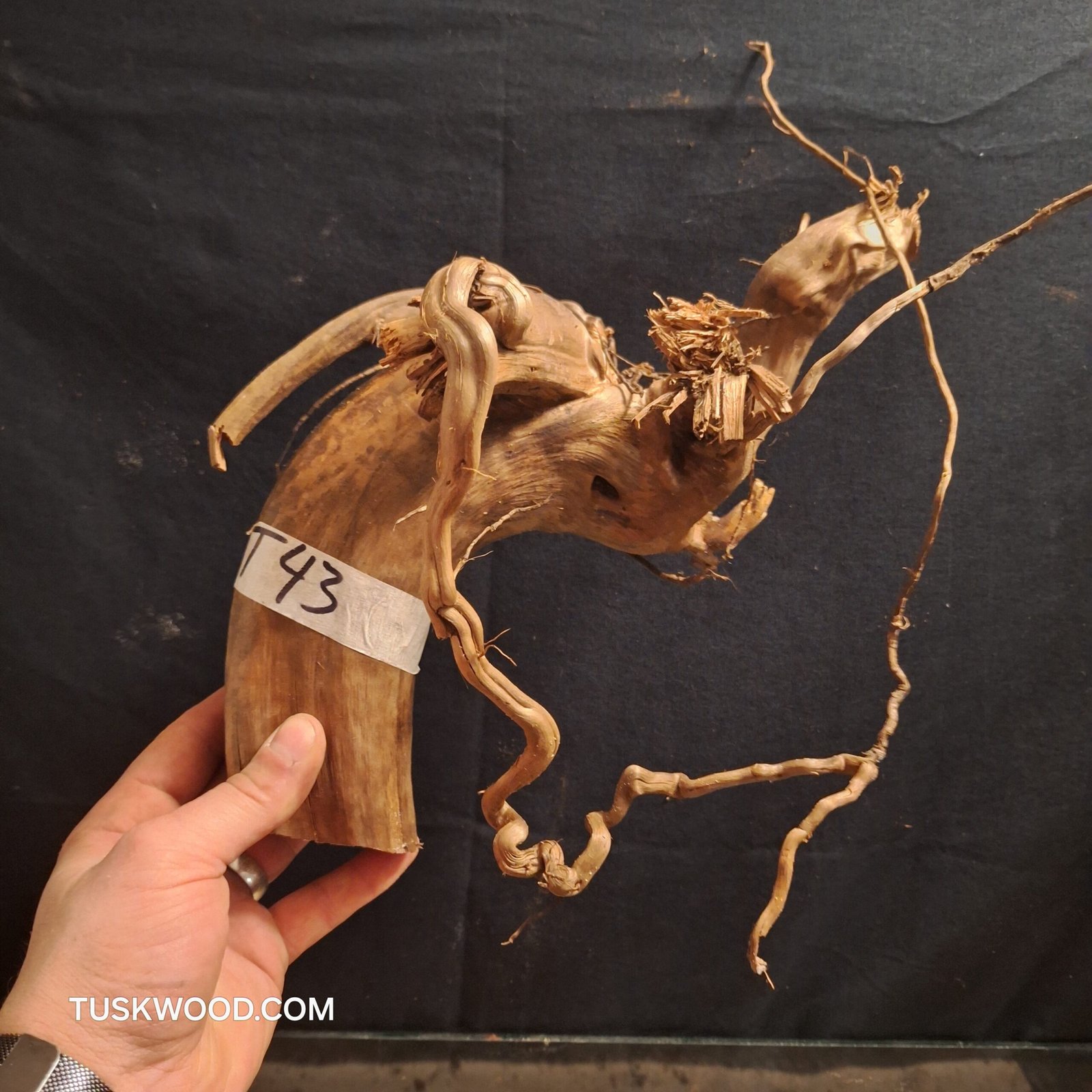
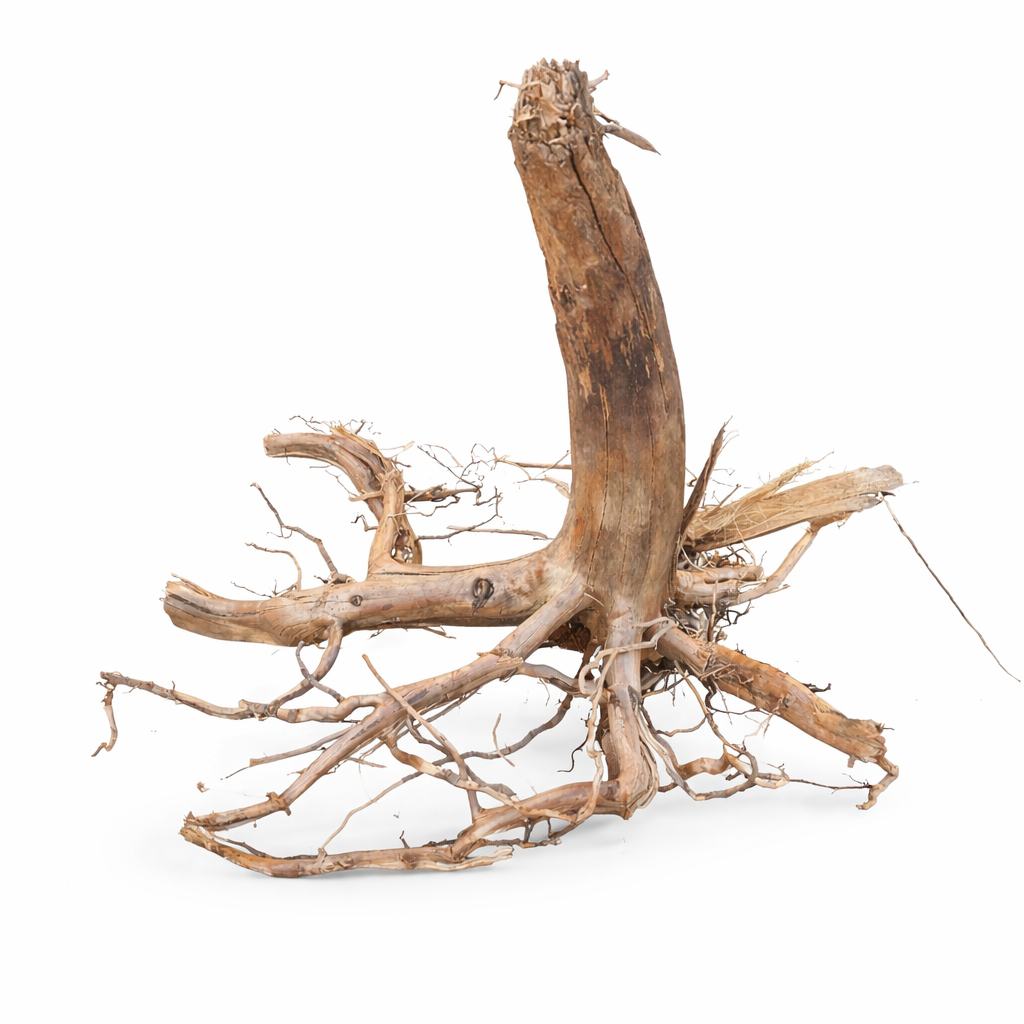
När du håller en Tuskwood-rot i handen håller du inte bara en form som ser fin ut i ett akvarium. Du håller ett stycke nordisk naturhistoria.
Varje rot har vuxit på sin egen plats. Kämpat sina egna år. Påverkats av sin egen tuva, sitt eget vattenflöde, sin egen unika omgivning i mossen. Därför finns det inga kopior. Ingen rot är exakt som någon annan. Varje stycke bär spår av ett verkligt liv och en verklig plats.
Det är också därför Tuskwood känns annorlunda än många andra rötter på marknaden.
Inte asiatisk import. Inte ljusa kopior.
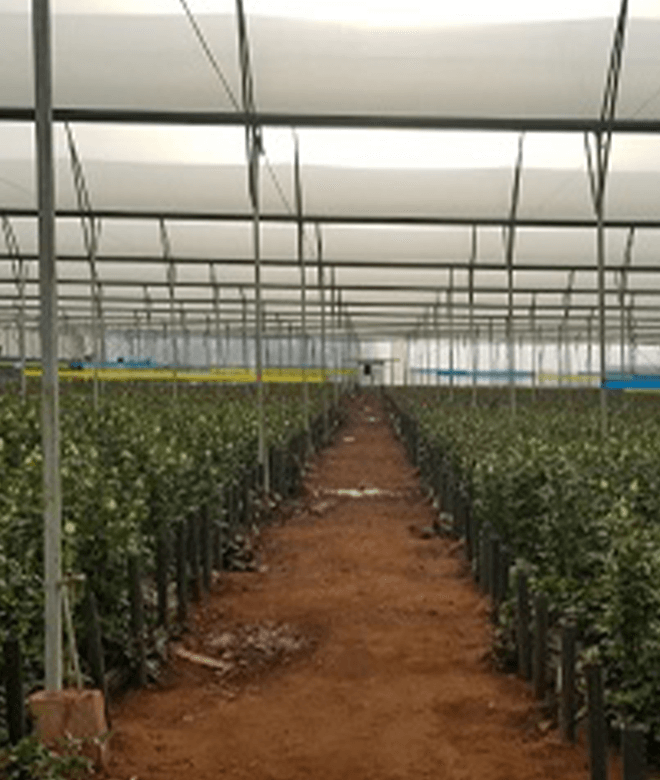
Mycket av det som idag säljs som “bogwood”, “moss wood” eller “marsh root” är i praktiken något helt annat än klassiskt europeiskt myrträ. Ofta handlar det om importerade, ljusare träslag från Asien, mera förutsägbara och likformiga rester från plantskolor och växthus, ofta Azalea – ibland vackra i sin egen rätt, ibland kemiskt behandlade så att de blir svarta i färgen, men med helt annan struktur, annan känsla och andra egenskaper i vatten. Dessa rötter är i regel ocskå sandblästrade, vilket tar bort naturlig ytstruktur, och detaljer, vilket gör att uttrycket blir mer industriellt och intetsägande.
Tuskwood är inte ett sådant material.
Tuskwood är mörkt, moget, naturligt konserverat trä från nordliga mossmiljöer. Det har formats långsamt av naturen själv. Där de ljusa alternativen ofta känns torra, lätta och tillfälliga, har Tuskwood en annan tyngd. En annan ro. En annan trovärdighet i ett naturakvarium. En unik proviniens, varje rot har en egen historia att berätta.
Det syns i färgen.
Det känns i strukturen.
Och det märks i akvariet.
En rot som gör mer än att bara se bra ut
Tuskwood handlar inte bara om form. Det handlar också om funktion.
Äkta myrträ avger naturligt tanniner och humusämnen när det läggs i vatten. Det är en del av materialets natur. För många fiskar, räkor och mikroorganismer hör just dessa ämnen hemma i en mer naturlig vattenmiljö. De bidrar till mjukt, levande och biologiskt aktivt vatten som många akvarister söker.
Hur mycket en Tuskwood-rot färgar vattnet kan variera något från rot till rot. I de flesta fall är påverkan liten redan från början, och efter några veckor till några månader märks normalt ingen tydlig påverkan på vattnets färg längre. Även utan påverkan på färgen, fortsätter en mycket långsam frisättning av för akvariet fördelaktiga ämnen under mycket lång tid.
Humusämnena i äkta myrträ förknippas dessutom med en naturligt skyddande och milt antibakteriell miljö, positivt för fiskars hälsa, vilket är en bidragande orsak till att för klassiskt myrträ har varit så uppskattat i akvarier under lång tid.
Tuskwood är alltså inte bara något man tittar på.
Det är något som samspelar med livet i akvariet.
Äkta myrträ i akvariehistorien
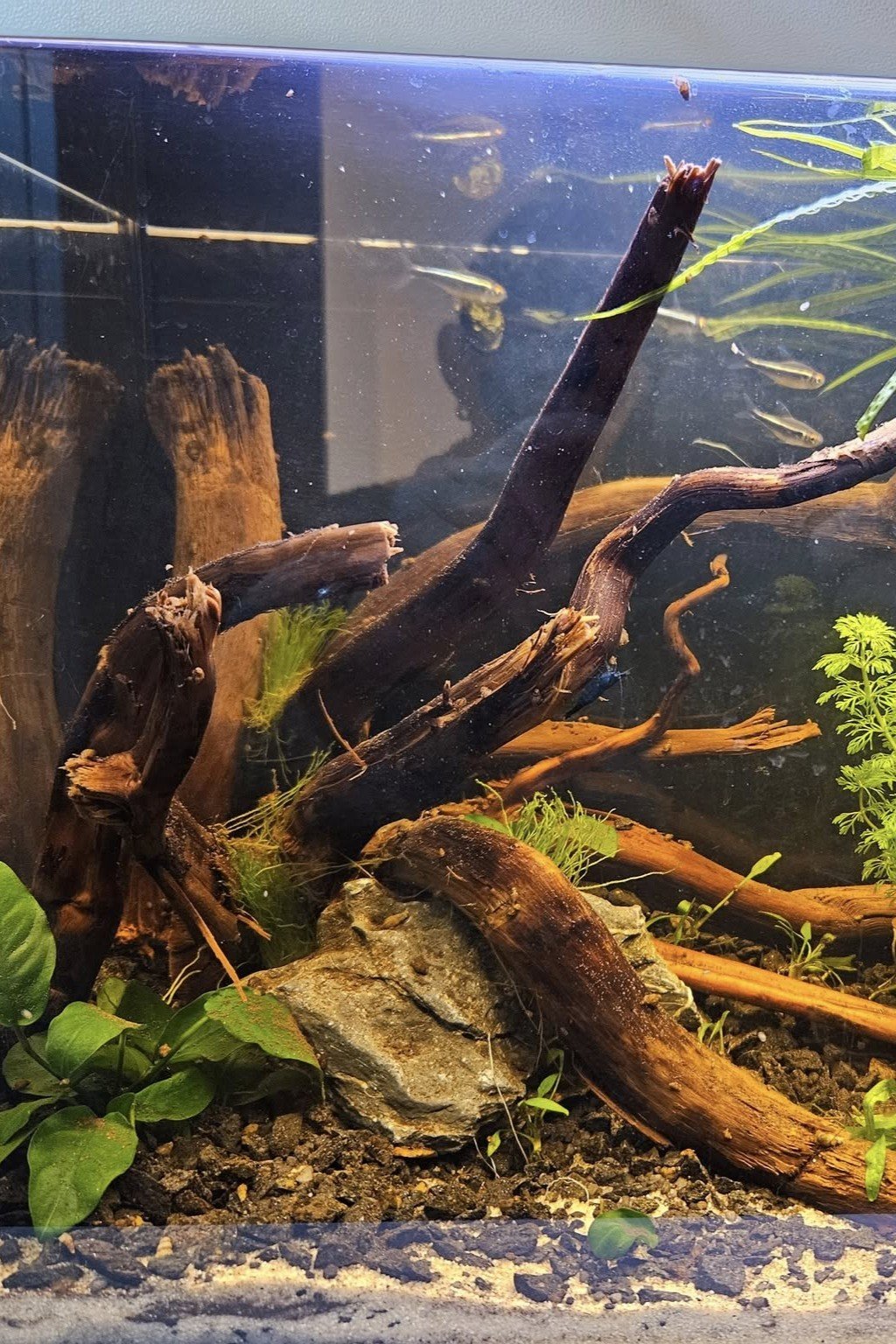
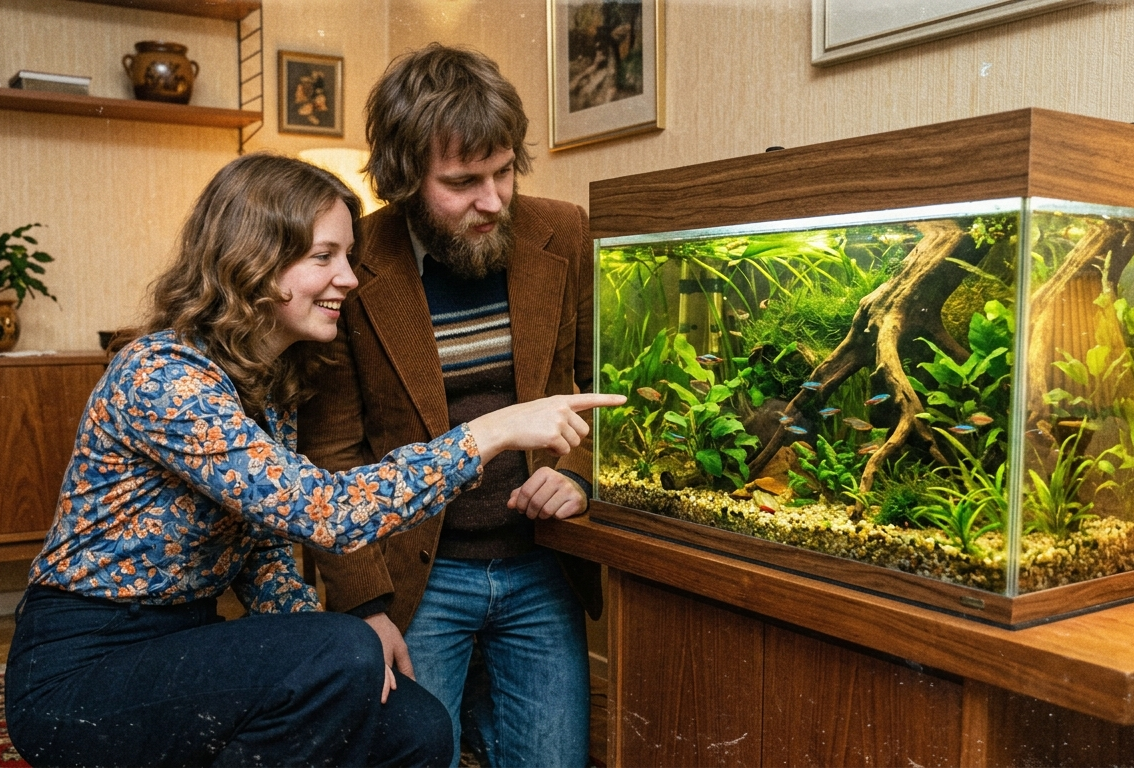
Äkta myrträ har haft en självklar plats i akvariehobbyn under mycket lång tid. Det är ett av de klassiska naturmaterialen – uppskattat för sitt mörka, mogna uttryck, sin stabilitet i vatten och sin förmåga att ge akvariet en mer naturlig känsla.
Det förknippas ofta med sydamerikanska miljöer och svartvattenakvarier, och där passar det naturligtvis mycket väl. Men Tuskwood hör inte bara hemma där. Vi har också många goda exempel på att äkta myrträ fungerar utmärkt i akvarier med ciklider i hårt vatten, även i uppsättningar med kalksten. Det visar något viktigt: Tuskwood är inte begränsat till en enda stil eller vattenmiljö. Det är ett starkt och mångsidigt naturmaterial som kan ge karaktär och funktion i många olika typer av akvarier.
Medan färskt barrträ länge har avråtts från i akvariesammanhang, har mossved från barrträd och buskar haft en central plats i hobbyn under decennier. När det har varit tillgängligt är det också den typ av trä som många av de mest seriösa och framstående akvaristerna har valt.
Mer än en rot
Tuskwood är för dig som vill ha något mer än bara ännu en hardscape-detalj.
Det är för dig som vill bygga ett akvarium med känsla av plats. Av ålder. Av natur. Något som känns mindre fabrik och mer skog, mer myr, mer verklighet.
Varje rot är unik.
Varje rot är uråldrig.
Varje rot har en historia att berätta.
Tuskwood – Akvarierötter som berör