


There are roots that are just decoration.
And then there are roots that carry a story.
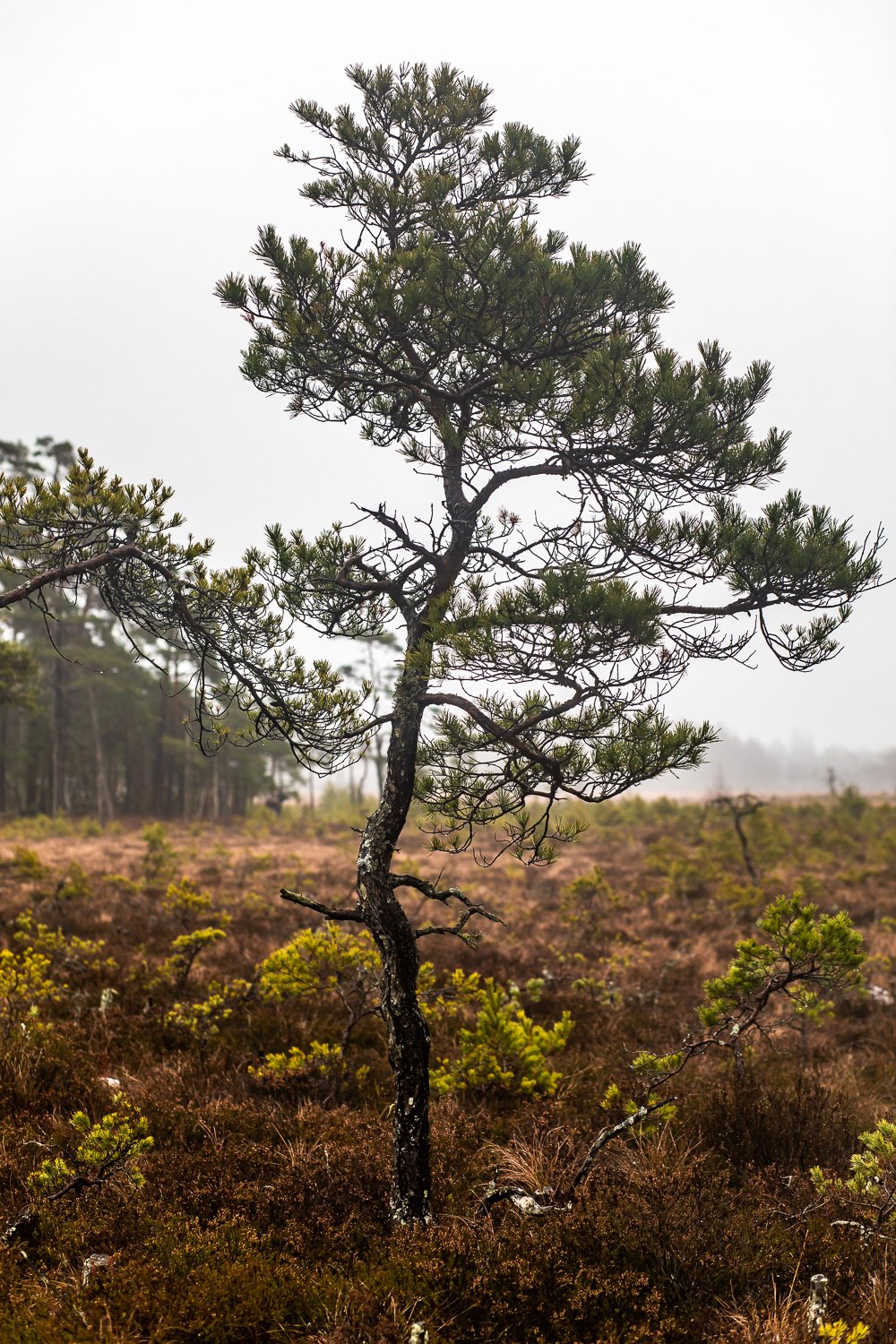
Tuskwood is genuine bogwood from northern peatlands. The wood comes from trees and shrubs that once struggled to survive in a harsh, nutrient-poor and water-saturated environment. Nothing grows fast there. Everything is slow. Year after year. Layer after layer. Wind, wet, cold, darkness.
Eventually, the tree gave way. The part above the sphagnum moss broke down and decayed, while the part beneath the moss cover sank into the bog.
But it never went away.
Instead, in the anoxic bog, the wood was preserved for hundreds to thousands of years. Humic acids, minerals and time slowly changed it. What was once a living tree became something else: darker, denser, more mature, more resilient. Not fresh wood. Not ordinary wood. But a natural material with a character all its own.
That is what Tuskwood is.
Every root is unique - and ancient
When you hold a Tuskwood root in your hand, you're not just holding a shape that looks nice in an aquarium. You are holding a piece of Nordic natural history.
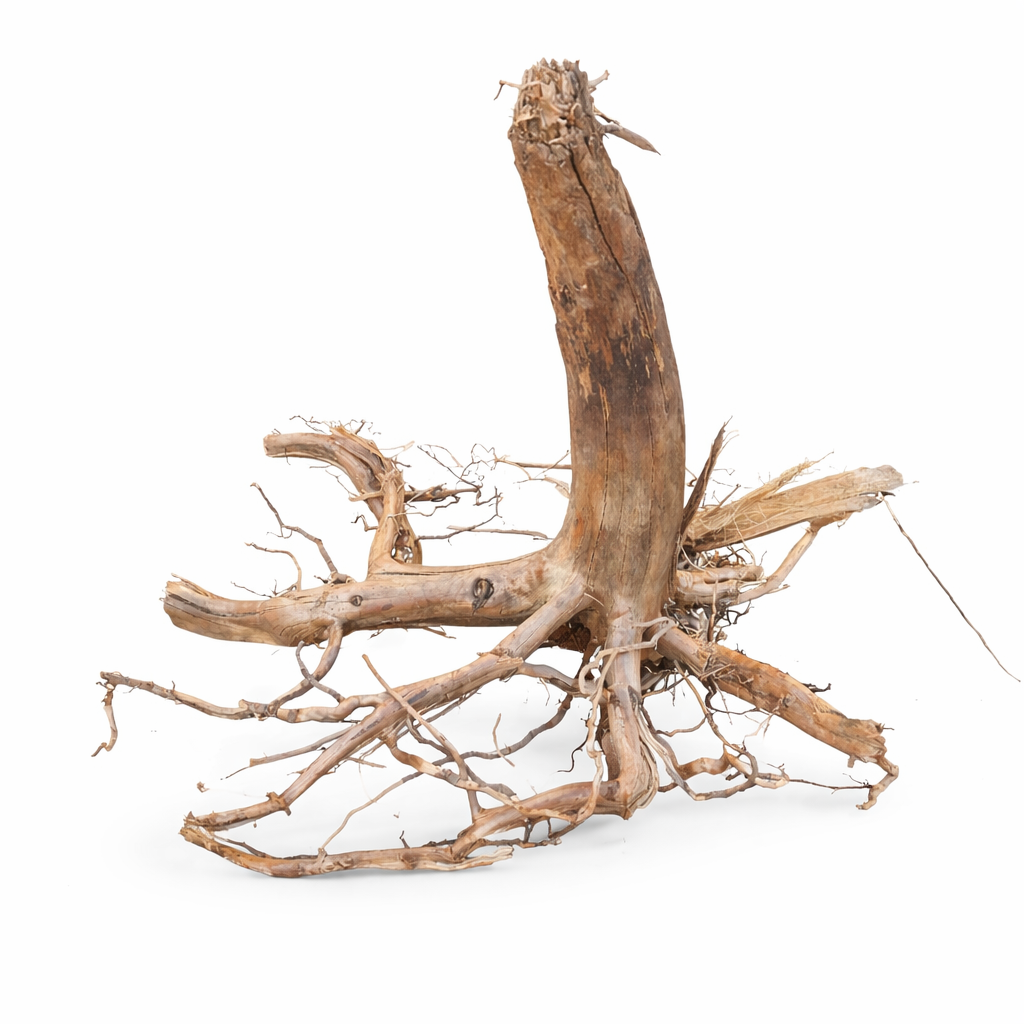
Each root has grown in its own place and endured its own years. It has been shaped by its own peat mound, its own water flow and its own unique surroundings in the bog. That is why there are no copies. No root is exactly like any other. Each piece bears traces of a real life and a real place.
This is also why Tuskwood feels different from many other roots on the market.
Not Asian imports. Not light coloured copies.
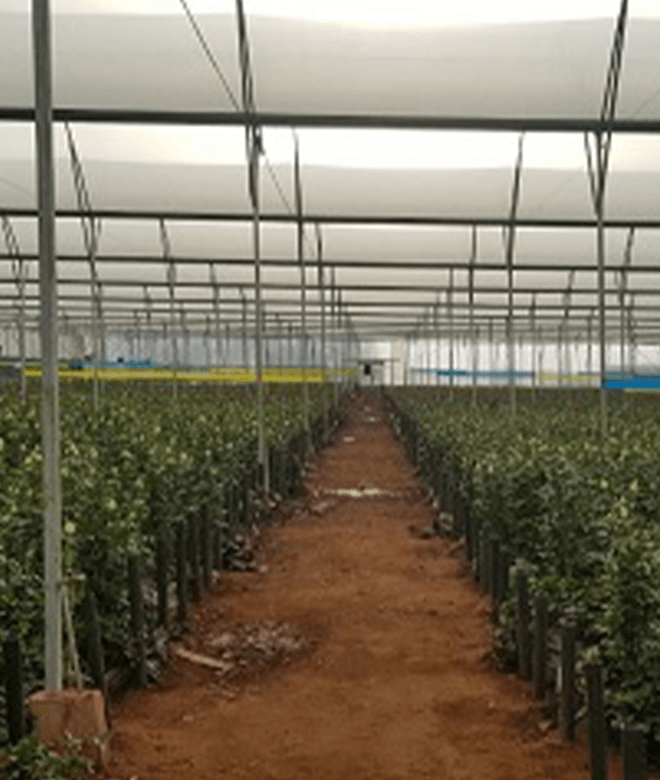
Much of what is sold today as “bogwood”, “moss wood” or “marsh root” is in fact something quite different from classic European bogwood. It is often imported, lighter coloured wood from Asia, more predictable and uniform leftovers from nurseries and greenhouses, often Azaleas - sometimes beautiful in their own right, sometimes chemically treated to make them black in colour, but with a completely different texture, feel and properties in water. These roots are usually also sandblasted, which removes natural surface texture and detail, making the look more industrial and bland.
Tuskwood is not such a material.
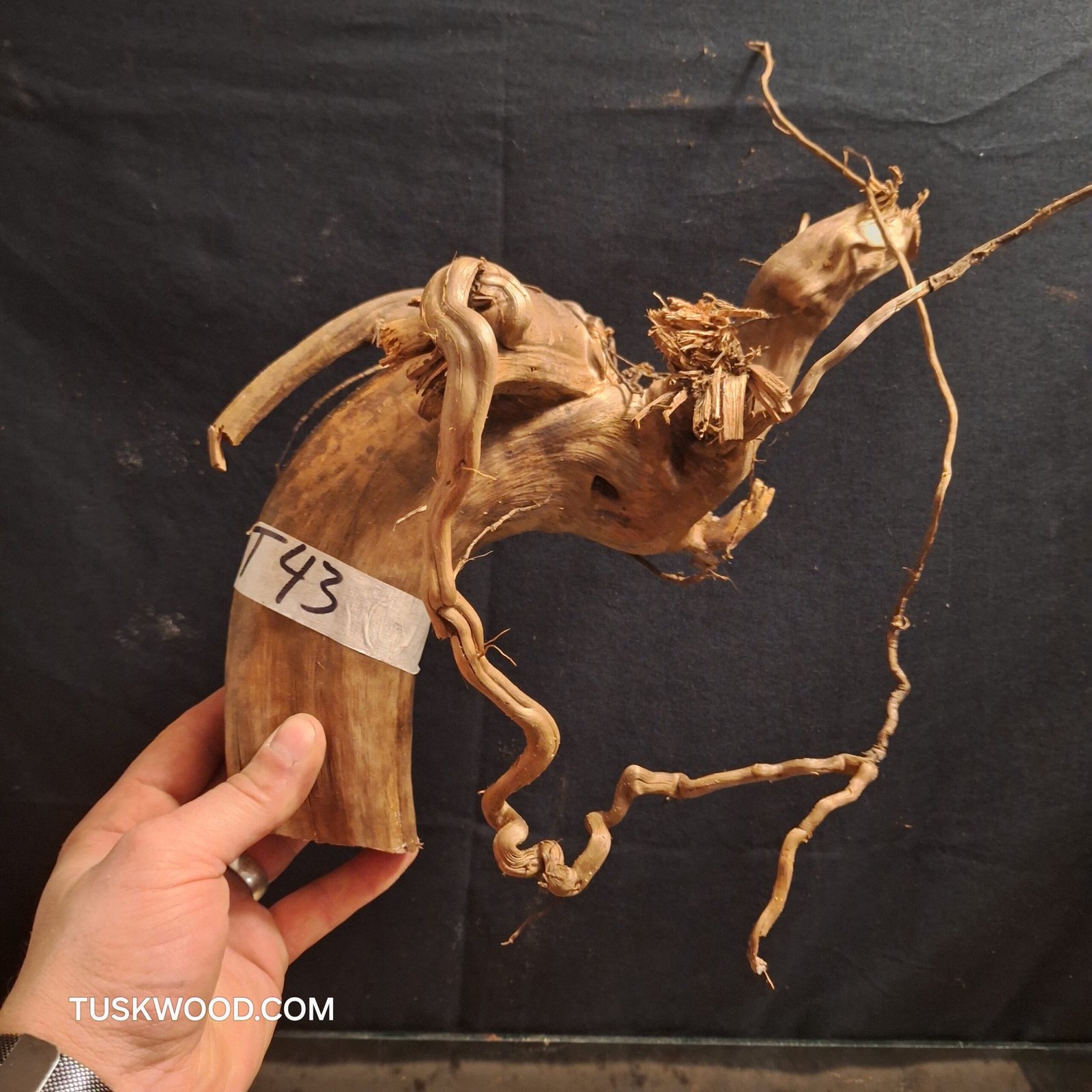
Tuskwood is dark, mature, naturally preserved wood from northern bog environments. It has been shaped slowly by nature itself. Where the lighter alternatives often feel dry, light and temporary, Tuskwood has a different weight. A different calm. A different credibility in a natural aquarium. It has a unique provenance, and each root has its own story to tell.
It shows in the colour.
It is felt in the structure.
And it shows in the aquarium.
A root that does more than just look good
Tuskwood is not just about form. It's also about function.
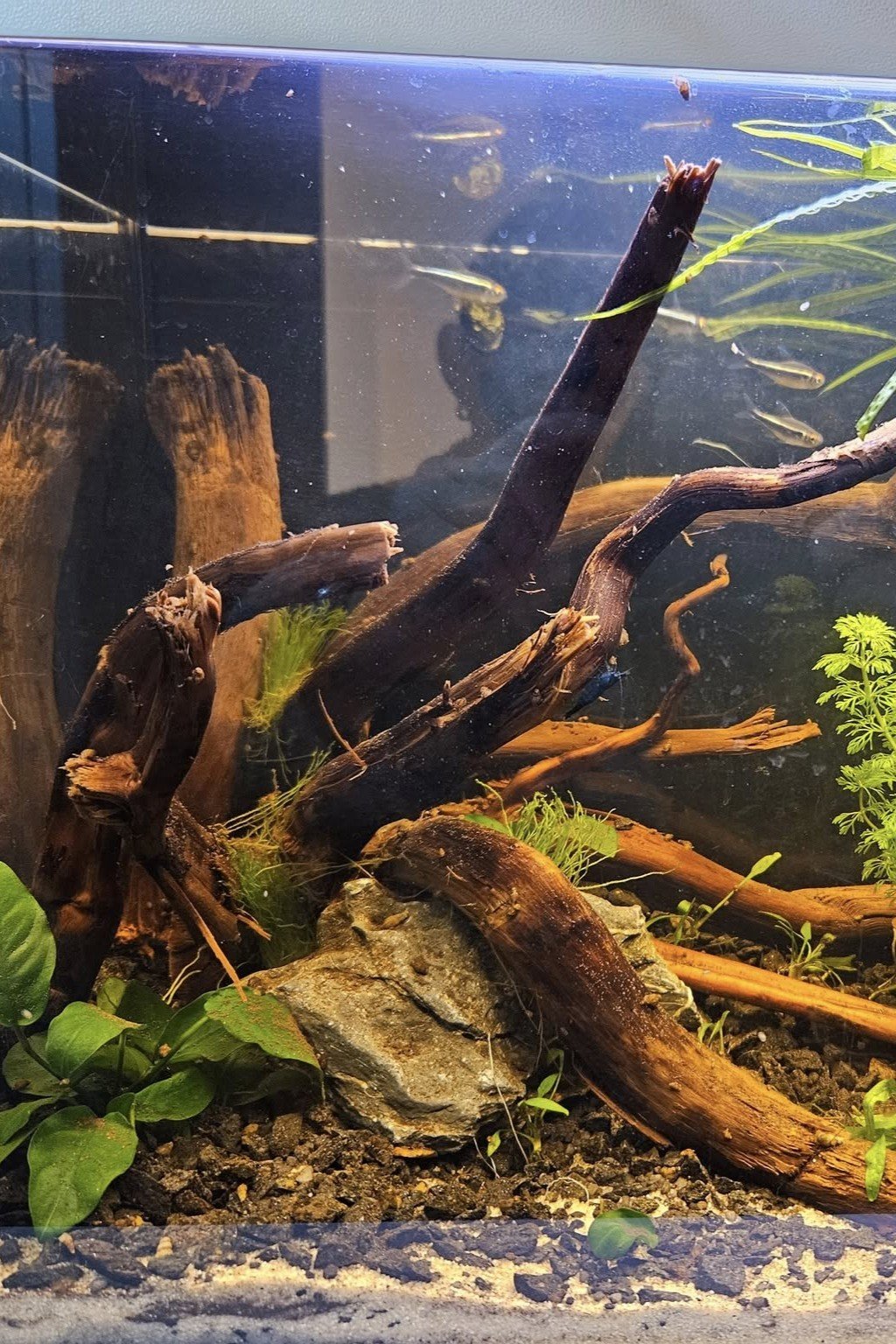
Real bogwood naturally releases tannins and humic substances when placed in water. This is part of the nature of the material. For many fish, shrimps and microorganisms, these substances belong in a more natural aquatic environment. They contribute to the soft, vibrant and biologically active water that many aquarists seek.
The extent to which a Tuskwood root colours the water can vary slightly from root to root. In most cases, the impact is small from the start, and after a few weeks to a few months, there is normally no noticeable effect on the colour of the water. Even without any effect on the colour, a very slow release of substances beneficial to the aquarium continues for a very long time.
The humic substances in genuine bogwood are also associated with a naturally protective and mildly antibacterial environment, favourable to the health of fish, which is one of the reasons why classic bogwood has been so popular in aquariums for so long.
Tuskwood is not just something you look at.
It is something that interacts with life in the aquarium.
Genuine bogwood in aquarium history
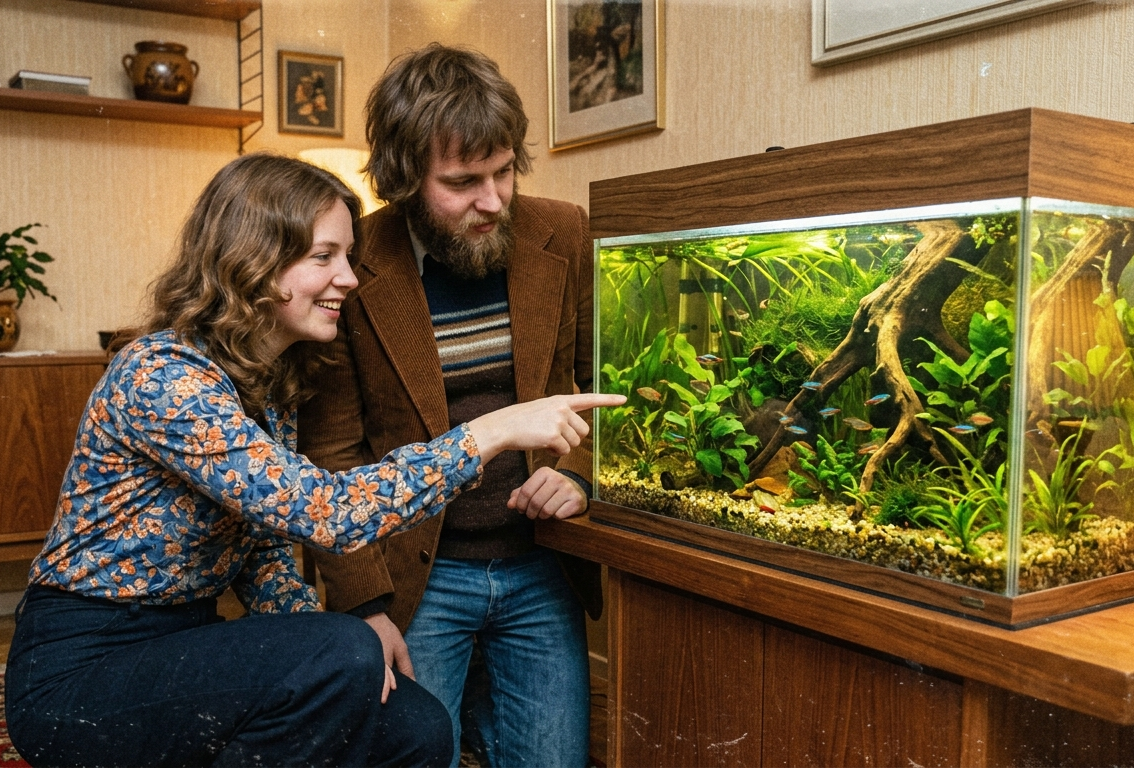
Real bogwood has been a staple of the aquarium hobby for a very long time. It is one of the classic natural materials - appreciated for its dark, mature look, its stability in water and its ability to give the aquarium a more natural feel.
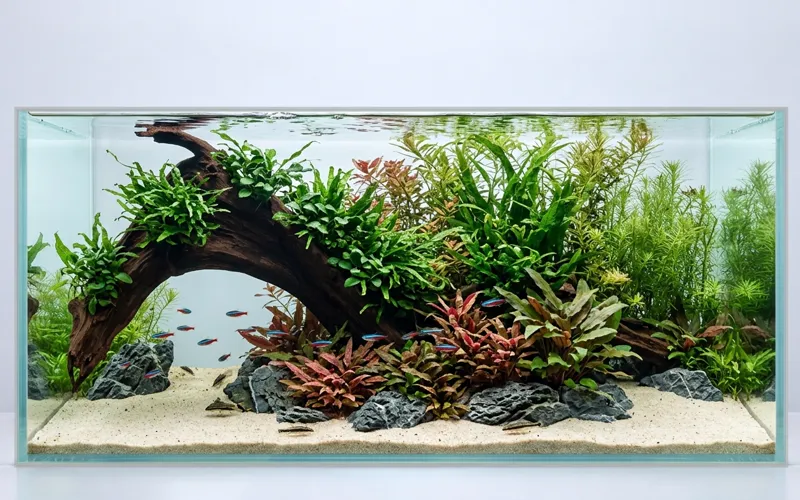
It is often associated with South American environments and blackwater aquariums, where it fits naturally. But Tuskwood does not belong only there. We also have many good examples of genuine bogwood working well in hard-water cichlid aquariums, including limestone setups. This shows something important: Tuskwood is not limited to a single style or aquatic environment. It is a strong, versatile natural material that can add character and function to many kinds of aquarium.
While fresh softwood has long been discouraged in the aquarium hobby, moss wood from conifers and shrubs has held a central place in the hobby for decades. When it has been available, it is also the type of wood chosen by many of the most serious and prominent aquarists.
More than one root
Tuskwood is for those who want more than just another hardscape detail.
It's for those who want to build an aquarium with a sense of place. Of age. Of nature. Something that feels less factory and more forest, more marsh, more reality.
Every root is unique.
Every root is ancient.
Every root has a story to tell.
Tuskwood – Aquarium roots that move you